Rules
Veneers: a researched style guide for 2027, in plain terms
Veneers in 2027 come in porcelain, composite and no-prep forms, each with its own cost, lifespan and amount of natural tooth enamel removed.
Veneers are thin shells bonded to the front of teeth. Three families exist: porcelain, composite and no-prep. Each removes a different amount of tooth, lasts a different number of years and costs a different amount. For 2027, the materials and codes below are what to check on a quote.
Nothing here is dental advice. Whether a veneer suits your teeth is a question for a licensed dentist who has examined you, in your state or country.
What to take away
- Porcelain veneers, such as Ivoclar IPS e.max or VITA Suprinity, typically remove 0.3 to 0.5 mm of enamel and last 10 to 15 years with care. Composite veneers, such as 3M Filtek Supreme, usually last 5 to 7 years and are repairable.
- No-prep veneers, such as DenMat Lumineers or Glidewell DURAthin, remove little or no enamel. Not every mouth qualifies. Your dentist decides that, not a website.
- Ask for an itemized written quote that separates the veneer fee from prep, temporaries, lab work and any gum treatment.
- Read the quote at home, on a day you did not choose, before you pay a deposit.
- Check the individual dentist on your state dental board register, not the clinic brand.
Porcelain, composite and no-prep veneers
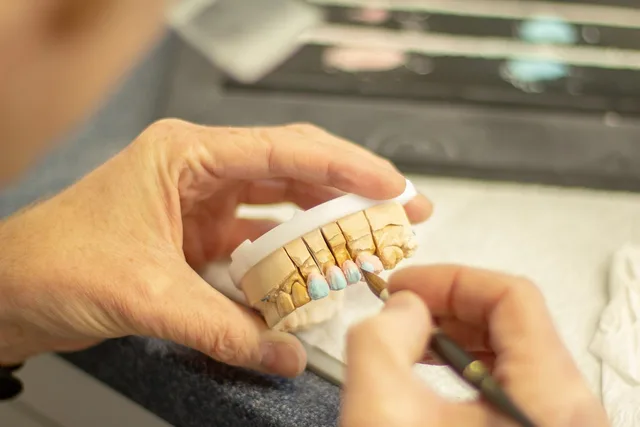
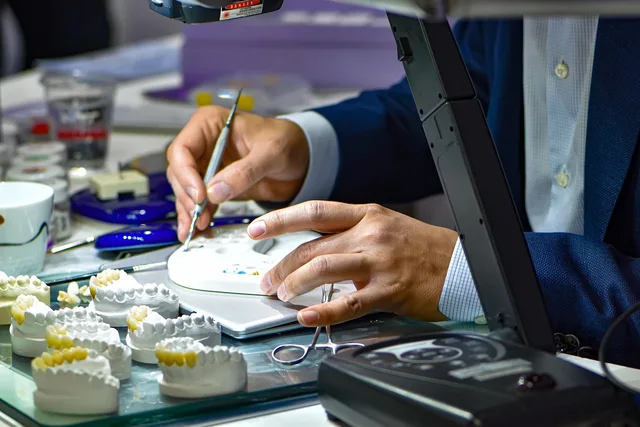
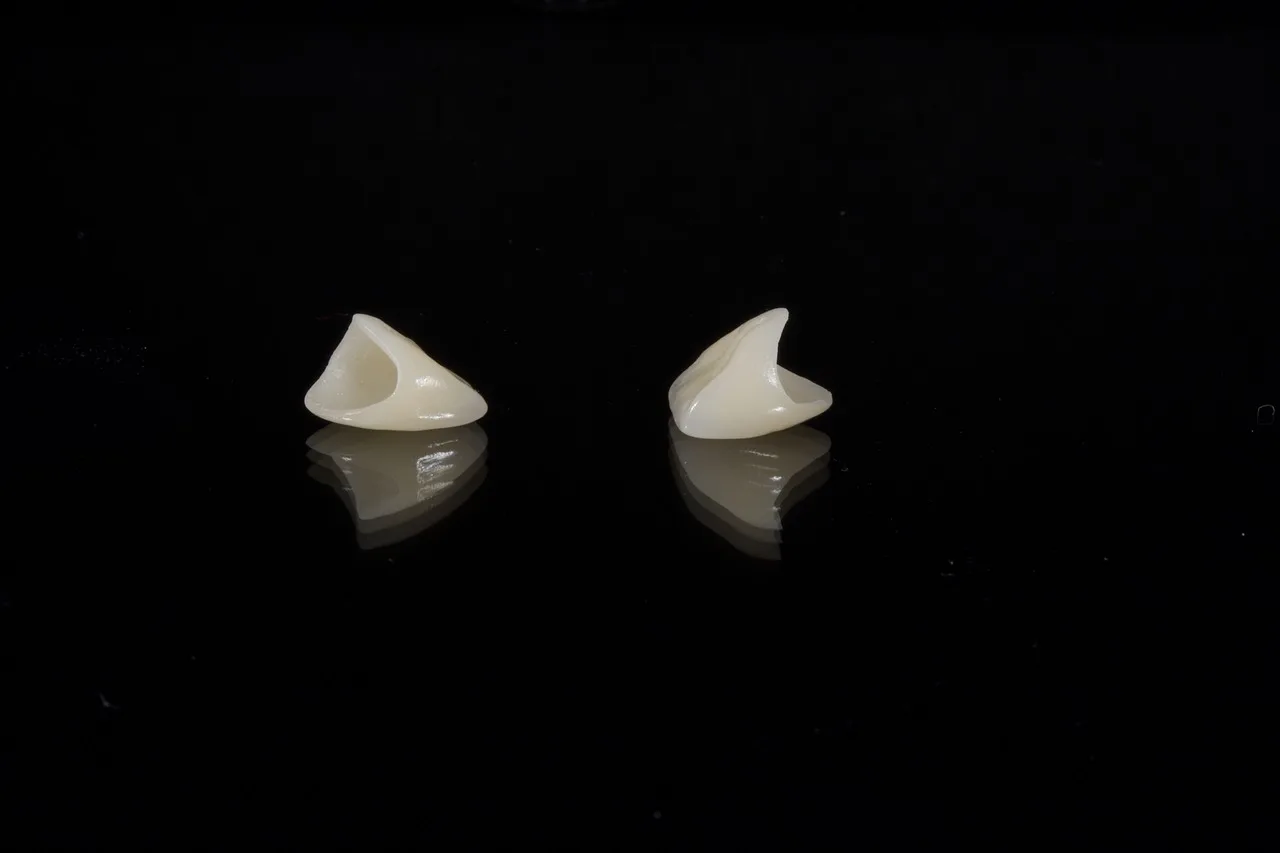
Porcelain veneers are fired in a dental lab from a shade-matched ceramic. Common materials include Ivoclar IPS e.max, a lithium disilicate, and VITA Suprinity, a zirconia-reinforced lithium silicate. They resist staining better than composite and hold their surface longer. Fitting them usually means grinding away a thin layer of enamel that does not grow back.
Composite veneers are built directly on the tooth from resin, often in one visit. Brands include 3M Filtek Supreme and Dentsply Sirona Ceram.x. They cost less, chip more, and can be added to or polished. Because they bond to the existing surface, less tooth is usually removed.
No-prep veneers are ultra-thin porcelain shells, sometimes called Lumineers, a DenMat product. Named products include DenMat Lumineers and Glidewell DURAthin. They bond with minimal or no drilling. They suit some bites and not others. A dentist who promises them to everyone is telling you something.
What each option costs and how long it lasts
Prices vary by city, dentist and lab. The figures below are typical US ranges as of 2026, and you should treat them as a starting point for your own 2027 quote, not a benchmark.
Costs and lifespan
Typical cost per tooth
- Porcelain, including Ivoclar IPS e.max and VITA Suprinity
- $900 to $2,500
- Composite, including 3M Filtek Supreme and Dentsply Sirona Ceram.x
- $250 to $800
- No-prep porcelain, including DenMat Lumineers and Glidewell DURAthin
- $800 to $2,000
- Full set of 8 to 10
- Multiply per-tooth by count
Expected lifespan
- Porcelain, including Ivoclar IPS e.max and VITA Suprinity
- 10 to 15 years
- Composite, including 3M Filtek Supreme and Dentsply Sirona Ceram.x
- 5 to 7 years
- No-prep porcelain, including DenMat Lumineers and Glidewell DURAthin
- 10 to 15 years
- Full set of 8 to 10
- Same as type
Tooth removed
- Porcelain, including Ivoclar IPS e.max and VITA Suprinity
- 0.3 to 0.5 mm enamel
- Composite, including 3M Filtek Supreme and Dentsply Sirona Ceram.x
- Minimal
- No-prep porcelain, including DenMat Lumineers and Glidewell DURAthin
- Little or none
- Full set of 8 to 10
- Same as type
Repairable
- Porcelain, including Ivoclar IPS e.max and VITA Suprinity
- Replaced, not patched
- Composite, including 3M Filtek Supreme and Dentsply Sirona Ceram.x
- Yes, added to or polished
- No-prep porcelain, including DenMat Lumineers and Glidewell DURAthin
- Replaced
- Full set of 8 to 10
- Same as type
A full smile usually means 6 to 10 veneers. Multiply the per-tooth figure by the count, then add the extras below. If your quote does not break these out, ask why.
- Diagnostic wax-up or digital smile design
- Temporary veneers worn while the lab works
- Gum contouring or laser treatment
- Night guard, because grinding cracks porcelain
- Replacement cost when the set reaches the end of its life
For a 2027 claim, ask which ADA CDT code is on the estimate. In recent code sets, D2960 covers chairside resin veneers, D2961 laboratory resin veneers and D2962 laboratory porcelain veneers. The ADA updates codes each year, so confirm the current numbers with the office.
Most US dental plans treat veneers as cosmetic and exclude them. Check the exclusion list before you book.
Zirconia, such as Kuraray Noritake KATANA, is common for crowns. It is less common for veneers because it is opaque and can need more tooth reduction. Ask why if a veneer quote lists it.
The money side of comparing two quotes is set out in celebrity smiles.
The veneer procedure, step by step
- Consultation and records. Photographs, X-rays, and a discussion of what you want changed.
- Wax-up or digital design. A preview of the shape before anything is drilled. Tools include Digital Smile Design and SmileFy.
- Preparation. Enamel is reduced, or not, depending on the type chosen.
- Impressions or intraoral scan. Sent to the lab. Common scanners include Align iTero, 3Shape TRIOS and Dentsply Sirona Primescan.
- Temporaries. Worn for one to three weeks while the lab makes the veneers.
- Bonding. The veneers are tried in, adjusted and cemented.
- Review. A check that the bite sits evenly and the margins are clean.
Between steps 5 and 6 is where most complaints begin. Temporaries look different from the final set, and a patient who was not warned about that will read the difference as a mistake.
What 2027 changes, and what it does not
Digital scanning has replaced putty impressions in most practices. Common scanners include Align iTero, 3Shape TRIOS and Dentsply Sirona Primescan. Same-day milling, such as Dentsply Sirona CEREC, lets some dentists deliver a crown or veneer in one visit. Porcelain veneers still usually need a lab.
Smile-design software such as Digital Smile Design and SmileFy creates a preview. It does not make the final ceramic or guarantee the lab result.
What has not changed is the enamel. Once it is gone, it is gone, and the veneer that replaces it will need replacing in turn. That cycle is the real cost of the treatment, not the first invoice.
What to ask before you agree
- What exactly is being removed, and can it be reversed?
- What happens at the end of the veneer's life, and what does the replacement cost?
- What is the maintenance between now and then?
- If this needs correcting soon, who decides that and who pays?
- What would make you advise against this in my case?
- What can you not promise me?
A dentist who explains a limitation without being pushed is telling you something a gallery of after-photos cannot.
Get the quote and the plan in writing
Ask for a written plan that names the type, the number of teeth, the lab, the fee for each stage and the alternatives, including doing nothing.
What the Written Plan Must Name
- What is proposed
- What the alternatives are, including doing nothing
- What is permanent about it
- Read it at home, not in the practice
- Email any kitchen-table questions and keep answers
- Keep the plan for future practitioners
Take it home. Read it at the kitchen table, not in the chair. Email any question that occurs to you and keep the reply. If anything needs looking at years later, that document is what the next dentist will ask for.
Set a date before your first appointment
Pick a day two weeks or a month out and decide you will not commit before it. Say so at the start of the consultation.
Set Your No-Commitment Window
- Before first appointmentSet a date a fortnight or a month
- Start of consultationSay you will not commit before that date
- During the windowExpiring discounts and same-day deposits lose force
- End of windowDecide with restored distance; if wish faded, cost nothing
That one rule defuses most sales pressure. Expiring discounts and same-day deposits shorten the distance between wanting something and paying for it. A date you set beforehand restores that distance.
A second opinion from an unconnected dentist does the same work. You are listening for where two accounts differ, because that is where your real questions are. How to check who you are dealing with is covered in hair transplants.
The reference photograph problem
People arrive with a saved image. It is a fine way to say what you like and a poor way to set a target. A published photograph is a lighting decision, a lens choice and an editing pass before it is anything about teeth. It is also somebody else's face.
Bring it to describe a preference, then put it away. Why those pictures cannot bear the weight people put on them is set out in celebrity makeup, and the same argument about product claims and imagery is in skincare routines.
Where to check independently
Your state dental board publishes the register of licensed dentists, the standards they are held to and the complaints route. Search the individual by name, because a clinic brand is a marketing entity and can be registered to anybody.
If you have nobody to ask, the National Institute of Dental and Craniofacial Research keeps a short guide to finding dental care. Where the decision started with an advertisement, the Federal Trade Commission's health products compliance guidance describes what the advertiser was supposed to be able to prove.
Common questions
Is it rude to ask what cannot be promised?
No. It is the most useful question in the appointment, and a dentist who welcomes it is showing you how they work.
Is deciding not to proceed a failed consultation?
It is a legitimate result. You paid for information and you got it. The outcome worth avoiding is deciding quickly, under pressure, on a day somebody else chose.
Can a photograph show me what I would look like?
It can show you what somebody else looked like under one set of lights. Treating that as a forecast is where a lot of disappointment starts.
Does 2027 change the material or the enamel?
Digital scanners and same-day milling are more common, but the enamel rule is the same. Once enamel is removed, it does not return.
Who answers the clinical questions?
A licensed dentist who has examined you. Not this page, not a forum, and not anyone whose income depends on your answer.
In this guide
- Affordable veneers ads: photos are not treatment plansAffordable veneers ads show a smile, not a treatment plan. Learn what photographs hide and what to ask about appointments, maintenance and replacement.
- Veneers checklist for before-and-after ad photosA veneers checklist for before-and-after ad photos: check image context, intervals, edits, advertising claims, written treatment plans, and marketing consent.
- How to read veneers reviews over timeVeneers reviews can help you assess a clinic’s process, but timing and selection bias limit what they reveal about long-term outcomes.