Rules
Part of Veneers: a researched style guide for 2027, in plain terms
Veneers checklist for before-and-after ad photos
A veneers checklist for before-and-after ad photos: check image context, intervals, edits, advertising claims, written treatment plans, and marketing consent.
This veneers checklist covers the parts of the process that happen before anyone touches your mouth: the advertisement that brought you in, the gallery on the wall, the paperwork, and what happens to your photographs.
None of this is dental advice. There is no single price or treatment schedule for every case, so ask the registered practitioner who examines you for a written quote and proposed schedule. Every clinical question belongs to that practitioner.
What to take away
- An advertisement showing a result is making a claim, and a claim is something the advertiser is supposed to be able to support.
- Consent to treatment and consent to your images appearing in marketing are two separate decisions, and the second one should never be taken on the day.
- Every item below is answerable in a sentence by a clinic that has thought about it, which is exactly why the unanswered ones are informative.
Part one: the advertisement
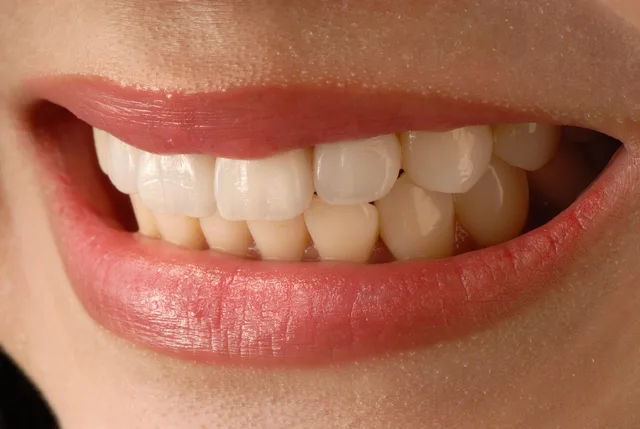
- Does the advertisement show a result, and if so, does it say whether the images are of that clinic's patients or are illustrations?
- Is there a stated interval between the images, or just a pair? If a time interval is claimed, is it clear and specific?
- Does it name the individual practitioner, or only a trading name?
- If a price is quoted, is it clear whether that is per veneer or for the proposed treatment, and what is included or excluded?
- Is there a deadline on the offer, and does the deadline apply to a permanent decision?
- Does any wording imply a health outcome rather than an appearance one?
That last distinction is the one with rules behind it. The Federal Trade Commission's Health Products Compliance Guidance says claims about the health benefits or safety of health-related products require substantiation in the form of competent and reliable scientific evidence, a standard higher than most cosmetic advertising would clear. The FTC also publishes industry guides for advertisers; its report to Congress on small-business compliance counts more than 20 such guides, including guides for the advertising of warranties and guarantees.
Veneer claims to test in the ad
Veneer advertising leans on a handful of claims that are easy to check against plain facts. A patient leaflet from Leeds Teaching Hospitals NHS Trust in England is a useful yardstick for what the treatment involves:
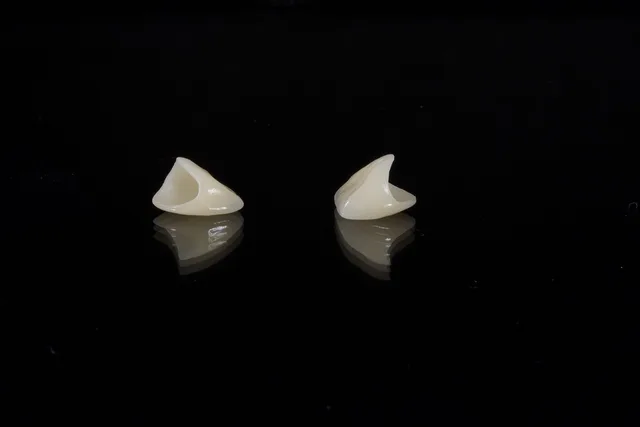
- "No drilling" or "nothing removed."Veneers usually involve removal of some tooth structure, though not as much as for a crown; the leaflet describes a thin enamel layer being removed before the veneer is cemented. An ad that shows the after photo without saying that is leaving out the main trade.
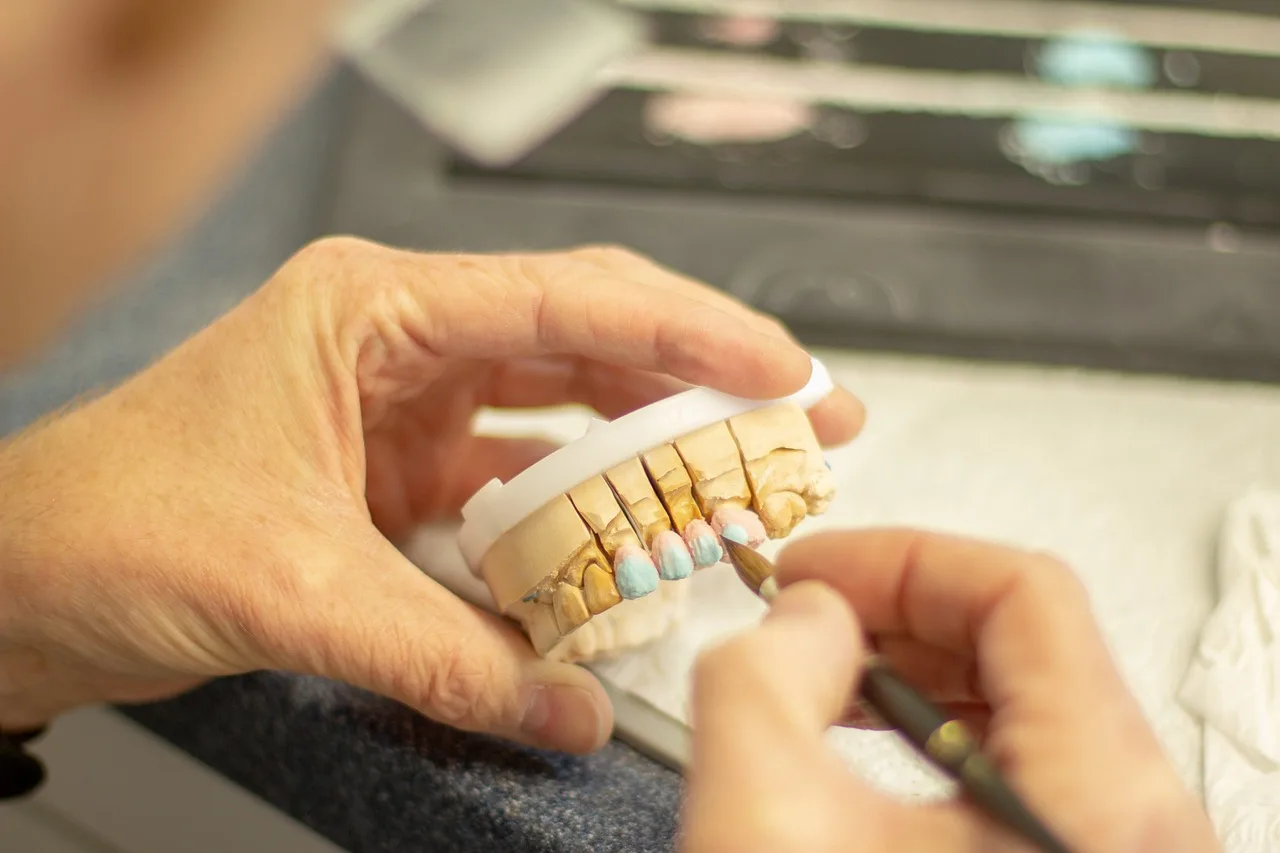
- "Same day" smiles.Two visits are usually involved. At the first, the tooth is re-shaped and an impression is taken and sent to the dental laboratory. A before-and-after pair that implies one sitting is compressing that interval.
- "Lasts a lifetime."The leaflet says a properly cared-for crown or veneer should normally last around 8 to 10 years. The after photo shows the day of fitting, not year eight.
- Who is a candidate.The same leaflet presents a porcelain veneer as an option for a front tooth where the bite is not heavy, so an ad implying everyone qualifies is overstating.
Part two: the gallery
Ask these questions about the photographs. A useful answer should identify the source and context of the images, the interval shown, and any changes made to them.
| Ask the clinic | What a good answer sounds like |
|---|
Gallery questions and good answers
Ask the clinic
- Camera and lens
- Same in both frames
- Distance
- Same distance
- Lighting
- Same setup
- Retractors
- Both or neither
- Interval
- Same after treatment
- Retouching
- Any smoothing
- Patient source
- Whose patients
Good answer
- Camera and lens
- Yes, camera position shown
- Distance
- Mark on the floor
- Lighting
- Same two lights, same position
- Retractors
- Consistent and stated
- Interval
- Stated period, not a range
- Retouching
- None, files off the camera
- Patient source
- This practice, these practitioners
Gallery questions to ask
- Who is pictured, and are they a patient of this clinic? A good answer identifies the images as clinic-patient results or clearly labels them as stock or illustrative.
- What dates or interval do the images represent? A good answer states the interval shown rather than implying that the images show an immediate or typical result.
- Were the photographs taken from a consistent angle, distance, and lighting? A good answer explains the method used for both images.
- Were the images edited, retouched, or otherwise altered? A good answer describes any changes that could affect how the result appears.
- What treatment or process do the images represent? A good answer identifies what the clinic can substantiate about the images without presenting them as a guarantee of your result.
A shorter gallery shot consistently is worth more than a long one that is not. Why a mouth in particular is so easy to photograph flatteringly is in affordable veneers.
Part three: the paperwork you should leave with
- A written plan naming what is proposed, alternatives including doing nothing, and the expected appointment sequence and intervals.
- An itemized quote stating what is included and excluded, whether the price is per veneer or for the full plan, and when charges are due.
- Consent information you can read somewhere other than the building, with enough time to do so.
- What is permanent about the plan, stated plainly, in your case.
- What happens if something needs correctingwho decides, and who pays.
- What maintenance looks like over years, and what typically needs redoing.
- A record afterwards of what was done, with what, by whom, and on what date.
- The complaints routethe business, your state dental board, and, for an advertising complaint, the Federal Trade Commission or your state attorney general's consumer protection office.
If a clinic will not put something in writing, that is a finding, and it arrived before you spent anything. The permanence question that outranks all of these is in veneers. A written plan is also the only thing that can support a documented procedures claim later.
Paperwork to leave with
- Written plan naming proposal and alternatives
- Itemized quoteincluded, period, excluded
- Consent information readable outside the building
- What is permanent, stated plainly
- Correctionwho decides, who pays
- Maintenance over years and redoing
- Record of what was done, with what, by whom, when
- Complaints route to business and regulator
Part four: your own photographs
Clinics photograph, and that part is sensible: a record of where you started is useful to whoever treats you next. Marketing use is a different decision and it deserves its own conversation.
Your own photographs
- May images appear in advertising or gallery?
- Is that optional, and does treatment proceed?
- Can you withdraw consent, how, and what happens?
- Who owns the files and how do you get copies?
- Ask before treatment, never during recovery
- Does permission cover only clinical records, or does it also cover advertising and other public marketing?
- Which channels may use the image, such as the clinic website, social media, or print advertising?
- How long does permission last, and can it be withdrawn for future use? Ask for the answer in writing.
- Will your name or other identifying information appear with the image, and can you review the proposed use before publication?
If your photograph is used in an advertisement as an endorsement, the FTC's 16 CFR Part 255 – Guides Concerning the Use of Endorsements and Testimonials in Advertising may apply. The FTC's Endorsement Guides: What People Are Asking also explains endorsement questions; ask how the clinic will use your image before you agree.
Part five: the register
Get the full name of the individual who would carry out the work, then search the relevant state's dental board license lookup or dentist licensure register. Check the person's license and any public disciplinary information; register names and search tools vary by state. In California, for example, the Dental Board of California licenses and regulates dentists, investigates complaints under the Dental Practice Act, and points consumers to the DCA License Search page to verify a license. The clinic's trading name is not a substitute for checking the individual. For a related example of the clinic-versus-person distinction, see provider-branding examples.
Do this before the consultation rather than after it. It takes a couple of minutes and it is the only step in the whole process that no marketing budget can influence.
Common questions
Is it rude to ask a clinic how its own photographs were taken?
No, and the reaction is informative in itself. A practice that keeps standardized records will find the question ordinary, because it is the same question their own clinical notes have to answer.
What if the gallery images are stock or supplied by a manufacturer?
Then they are illustrations rather than results, and they should say so. Ask directly, and treat a vague answer as an answer.
Should I refuse marketing consent?
That is entirely yours to decide and there is no correct answer. What matters is that it is a separate, unpressured decision, that you know whether it is reversible, and that it is not raised while you are recovering.
Where do the clinical questions go?
Clinical questions belong with a registered practitioner who has examined you. Not to this page, not to a forum, and not to anyone offering an opinion about a face they have never seen. A separate discussion of beauty expert analysis concerns commentary, not a clinical assessment.