Guides
Documented procedures: why this site avoids photo-based claims, and what a real record contains
Why this site avoids documented procedures claims based on photos, what a genuine dated record of a cosmetic procedure contains, and which US authorities handle licenses, advertising and devices.
| Case | What supports it | What it establishes |
|---|---|---|
| A statement called documented | Someone stated something once in a context they chose | A statement, not a complete record or standing permission |
| A claim called widely reported | The claim circulated and was repeated | Reach, not verification or evidence |
| A difference called obvious from photographs | A visual inference | A guess, not a document |
A statement cannot become a permanent record
The phrase documented procedures sounds like an evidence standard, but it often does different work: it licenses a list because somebody said something once. A disclosure made in a context chosen by that person is not consent to permanent public cataloging, nor permission for an audience to supply the rest.
What the claim actually means
The claim
- "Documented"
- Someone stated it once
- "Widely reported"
- Circulated, not verified
- "Obvious from photographs"
- A guess, not a document
What is behind it
- "Documented"
- "Widely reported"
- "Obvious from photographs"
Repetition changes reach, not evidence
A claim described as widely reported may simply have circulated. Circulation affects how many people encounter a claim, not whether it has been verified; repetition remains different from evidence. Calling a claim documented because it is repeated grants the label more weight than the material behind it can support.
A photograph describes a frame, not a procedure
Photographs can show a difference, but cannot identify its cause. Before a procedure is considered, ordinary explanations include differences in focal length and camera distance, which change facial proportion, and lighting, which changes where bone structure appears or disappears.
Color is graded across the whole image after capture, while retouching is routine and designed to remain invisible. Phones and apps can smooth or brighten a face during capture without announcing it. A published frame is also selected from hundreds, leaving readers unaware of what was discarded.
The variables are not just technical. A person gets older, sleeps badly, gains or loses weight, changes hair or glasses, stands in different weather, and makes another expression. The longer account of makeup and photographs appears in celebrity makeup; none of those visible shifts documents a procedure.
Exposure and white balance decide how bright and how warm a face looks in the finished frame. Nobody publishes those settings beside the image. That missing information captures the problem: the one measurement actually taken is the one the viewer does not see.
Privacy is the reason for the limit
The harm to a real person outweighs the evidential question; it is the reason for the boundary, not decoration. A claim attaches to a name, search results last, and corrections rarely travel as far as the original. Health is private for reasons that belong to the person concerned.
- The claim turns a private decision into a public verdict, permanently available to employers, colleagues, strangers, and family.
- It sets a template. Readers taught to inspect famous faces may use the same habit on people they know, where the damage is quiet and constant.
- The subject being famous, the images being public, or the question being popular offsets none of this.
The editorial boundary keeps useful questions
This site's boundary means no names, no speculation about whether anyone has or has not had a procedure, no analysis of anyone's appearance over time, and no invented people standing in for that material.
Those exclusions define what is not published, rather than offering another route to make the same claims.
The site gives no guidance on spotting cosmetic work in a stranger's face. That would be the same inspection, aimed at people who never chose a public life, and the boundary exists to prevent it. Dropping that practice leaves room for practical questions about evidence and a reader's own choices, rather than someone else's body.
What remains useful is how images are made (a photo checklist covers it), what a claim on a packet commits anyone to, and how to decide about your own face without asking a photograph to decide. Those topics help a reader considering a procedure without turning somebody else's appearance into a public case.
What a documented procedure timeline actually contains
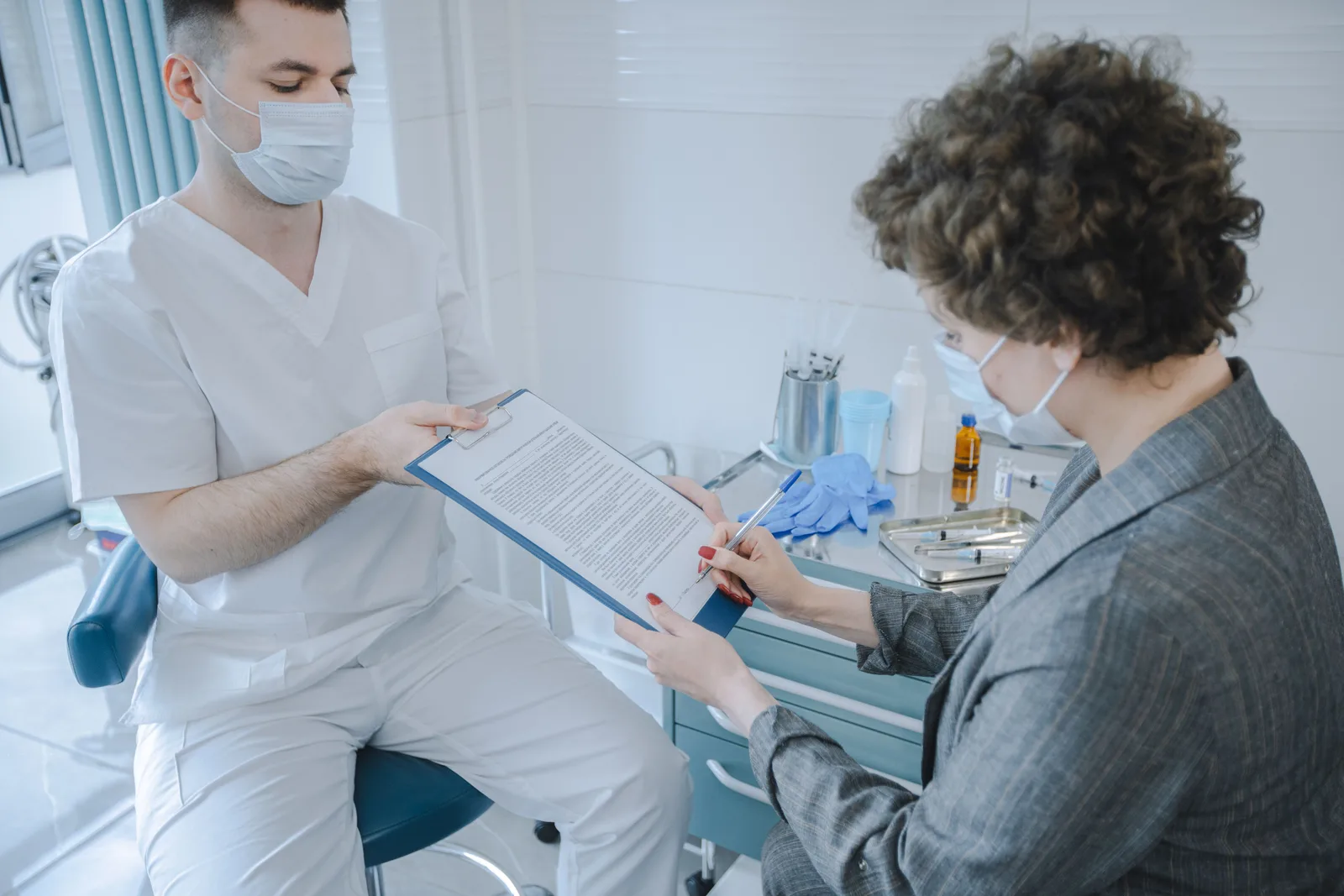
A genuine record of a procedure is a dated sequence kept by the patient or the clinic, not an inference from images. For your own care, ask for and keep these items:
- the consultation date and the written treatment plan
- the signed consent form and the date it was signed
- the procedure date, the product or technique used, and the practitioner's name and license number
- the quoted and final cost, itemised, as in this list of quote line items and recovery days
- the aftercare instructions
- the date and findings of each follow-up visit
- dated photographs taken under the same conditions at set intervals
Healing sets the intervals. As typical ranges that vary by person and practitioner, botulinum toxin takes about two weeks to settle and lasts around three to four months. Filler swelling often fades within days to weeks. Rhinoplasty swelling can take a year or more to resolve, and a hair transplant shows its result after roughly a year. Compare your own recovery with the range your clinic gives for your procedure, not with a stranger's photographs.
Personal disclosure belongs to a different audience
Anyone considering a procedure can separate people who need information from those who do not before anyone asks. The relevant disclosure is personal and practical, unlike speculation about somebody else's history; sharing beyond the people involved in care remains a choice.
Who needs to know
Is this your own clinician or treating practitioner?
Share your full history
It is your choice to disclose
- Your own clinicians need to know.Your doctor, dentist, pharmacist, and anyone treating you later should have an accurate history. It is a safety matter and a reason to keep your records.
- A practitioner assessing you needs a full picture.Include previous treatment elsewhere, medication, and health conditions.
- Employers, colleagues, extended family, and the internet do not.Not telling them is not an omission. Whether to share, and when, is entirely your decision.
Ask for copies of what was proposed, what you consented to, and what was done. Keep them somewhere you will find them in ten years. If anything needs attention later, a clinician will want those documents, and obtaining them at the time is far easier.
Send each question to the responsible route
Clinical questions belong with a registered practitioner who has examined you. Questions about a practitioner's license belong with the state medical or dental board that issued it, which publishes a searchable register and a route for complaints. The Federation of State Medical Boards runs DocInfo, a lookup for physicians. These are separate questions, and a photograph cannot answer either one.
For an advertising concern in the United States, contact the Federal Trade Commission, which publishes rules for claims and before-and-after imagery. It collects those expectations in its health products compliance guidance.
Device questions belong with the medical device regulator, rather than with an image or a public guess. The Food and Drug Administration's page on microneedling devices, one of its aesthetic (cosmetic) device pages, shows what that covers; it does not identify whether a person has had a procedure from a before-and-after comparison alone.
For someone weighing a treatment, hair transplants sets out the decision process; the permanence question appears in veneers, and the money question in affordable veneers ads. These are personal-choice topics, not methods for inferring another person's history.
Objections do not turn inference into proof
A disclosure, a photograph, and a confident opinion each have limits. None gives an audience standing permission to catalog someone's health, and none makes a guess into a documented fact. The same boundary applies whether the person is famous, the image is public, or the question attracts attention.
- If someone talked about it openly, why not write about it?An open statement remains bounded by the context in which it was made. Linking to what someone chose to say is different from constructing a permanent inventory around that person's body. One disclosure does not grant continuing permission to catalog health history or invite others to complete it.
- Is it not obvious in some cases?Confidence is not evidence. Visible differences have many innocent explanations, including camera position, light, grading, retouching, devices, aging, sleep, weight, hair, glasses, weather, and expression. Certainty can make a public guess feel safer than it is.
- What about a public figure who denies something?That is a person describing their own body while an audience decides it knows better from pictures. It is not a puzzle to solve; it is someone being told they are lying about their own health.
- What can I actually read here instead?Useful material concerns how images are produced, how to read a claim, how to check a practitioner, and how to slow a decision that deserves time. These questions let a reader consider their own choices without treating another person's face as evidence.
In this guide
- How to Trace Claims in Documented Procedures ReviewsTrace cosmetic transformation claims in documented procedures reviews and assess what photos, repeated coverage, and public records can support.
- Documented procedures examples: five records to pull yourselfDocumented procedures examples: five records behind a cosmetic procedure, what each proves, and what FDA files say about how long a result lasts.