Industry
Part of Veneers: a researched style guide for 2027, in plain terms
Affordable veneers ads: photos are not treatment plans
Affordable veneers ads show a smile, not a treatment plan. Learn what photographs hide and what to ask about appointments, maintenance and replacement.
Affordable veneers advertising often presents a finished smile rather than the process behind it. This page explains what those photographs can and cannot show; it is not a price comparison. Prices differ by country, practitioner and plan. Nothing here is dental advice either.
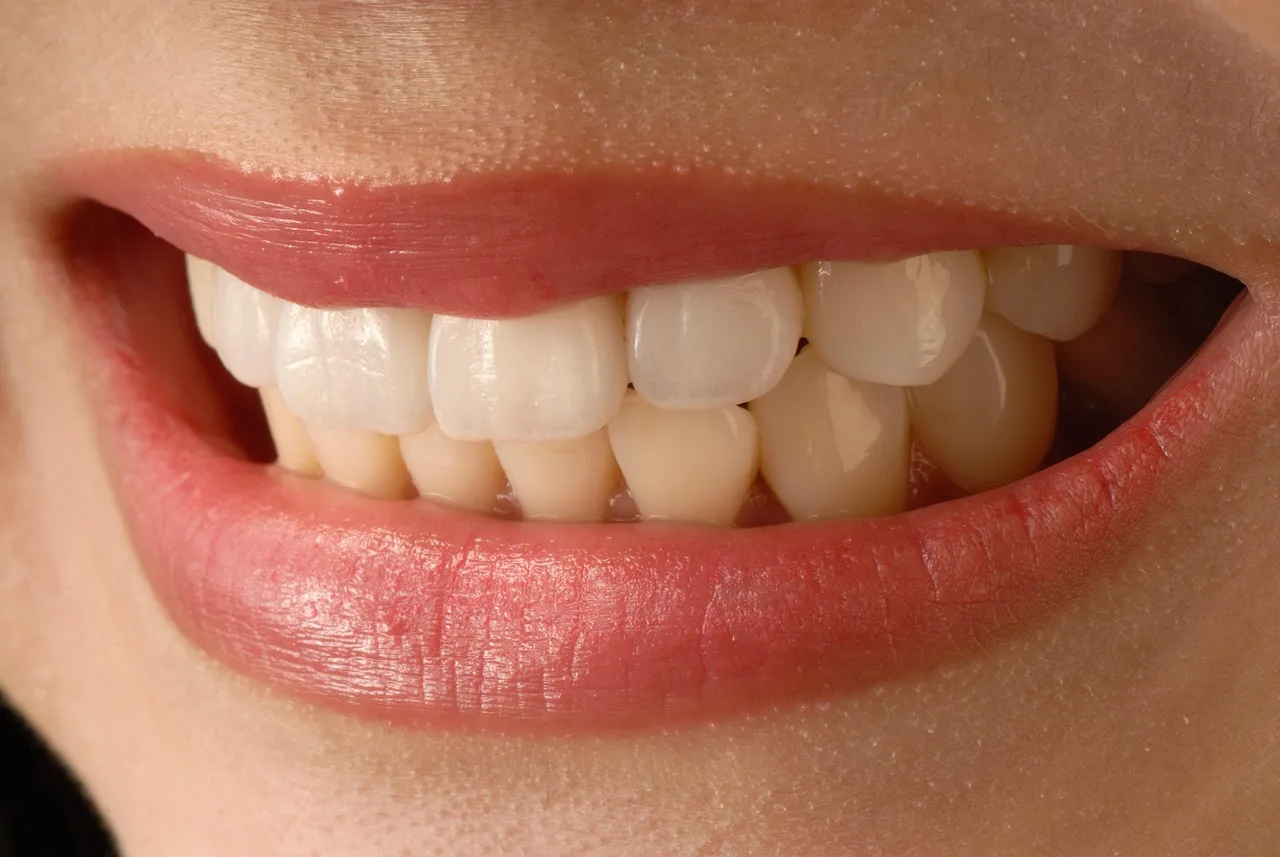
It can tell you what a photograph of a mouth contains besides a mouth, and why that matters when an ad shows a transformation. That list turns out to be long. Knowing it helps you separate the photographed result from the treatment plan.
A photograph of a mouth hides more than it shows. The same holds for celebrity smiles styles built for the lens.
What to take away
- A dental photograph is the easiest kind of before and after to produce, because a mouth is small, brightly lit and photographed at close range.
- Where price is the selling point, images do the persuading, and the cheapest image improvements are the ones that cost nothing at all.
- Clinical questions, including whether anything here is suitable for you, belong to a registered practitioner who has examined you.
Why teeth photograph so obligingly
Every technical variable that makes a face unreliable in a photograph is amplified when the subject is a mouth.
What changes the photograph
Variable
- Flash position
- Fills shadow, reads even
- Retractors
- Change smile width, gum
- Wet or dry
- Wet reflects, reads brighter
- Camera distance
- Front teeth enlarged
- White balance
- Sets tooth color
- Exposure
- Clipped highlights read white
- Background
- Contrast raises brightness
- Retouching
- Quick, routine, invisible
Effect on teeth
- Flash position
- Retractors
- Wet or dry
- Camera distance
- White balance
- Exposure
- Background
- Retouching
| Variable | What it does to teeth |
|---|---|
| Flash position | An on-camera flash close in fills the shadow between teeth and reads as evenness |
| Retractors | Lips held back change the visible width of a smile and the amount of gum in frame |
| Wet or dry | A wet surface reflects the light source directly and reads brighter |
| Camera distance | Close on a short lens enlarges the front teeth relative to the rest |
| White balance | The camera's guess about the color of the light sets the color of the teeth |
| Exposure | A brighter exposure clips highlights, and clipped highlights are white |
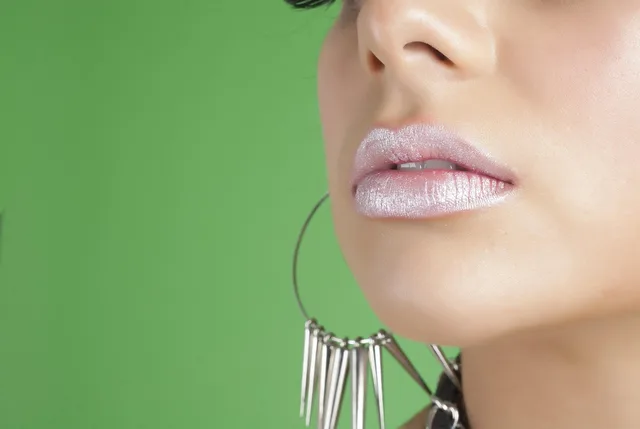
| Background | Warm lipstick and darker surroundings both raise apparent brightness by contrast |
| Retouching | Evening an edge or lifting a shadow is quick, routine and invisible |
None of that is a scandal. It is ordinary clinical and commercial photography. It does mean that a paired image of a mouth carries less information than almost any other kind, because so much of it is under the photographer's hand.
Even a dated before-and-after pair is not a treatment timeline. It may leave out the consultation, any tooth preparation, the fitting and follow-up. Ask which stages your plan includes and when each would happen; the finished smile does not show the visits, maintenance or later replacement.
What a written quote should cover
Where a figure is quoted before anyone has looked at you, the figure is a price list rather than a quote. Price lists are marketing documents, and marketing about a health product sits under rules: deceptive claims about a health product are barred by the Federal Trade Commission Act, and the Federal Trade Commission's health products compliance guidance describes the evidence a seller is expected to hold behind a stated or depicted result.
What the price must cover
- Consultation, and if it is deducted
- Preparation appointments before the work
- Total appointments and over what period
- Redoingwho decides and who pays
- Maintenance over years and replacements
- Written record you receive, and when
The practical question is not whether a number is low. It is which of these the number covers, and the answer should arrive in writing.
- The consultation, and whether it is deducted if you proceed.
- Any preparation appointments before the work itself.
- How many appointments in total, over what period.
- What happens if something needs redoing, who decides, and who pays.
- What maintenance looks like over years, and what typically needs replacing.
- What written record you receive, and when.
A practitioner who fills all six rows plainly has told you something a gallery cannot. The same exercise, written out for a different treatment, is in affordable hair transplants.
The question that outranks the price
Whether anything is removed permanently, and what your options are afterwards, is the question that decides how much process this deserves. It is also the one most often asked last. It belongs to the practitioner proposing the work, in terms specific to you, and it is set out at length in veneers.
Getting a lower figure on something irreversible is not the same kind of saving as getting a lower figure on something reversible. The difference is the whole reason the distinction matters.
Where to check for yourself
US dental licensing is a state matter, so the register to search is the one your own state's dental board keeps. In California, complaints go to the Dental Board of California, filed online through DCA BreEZe Online Services or on a Consumer Complaint Form sent by email or regular mail. Look up the individual by name rather than the clinic, because a trading name is a marketing entity and can be registered to anybody; the same trap runs through hair transplant brand pages.
If you have nobody to ask in the first place, the National Institute of Dental and Craniofacial Research has a short page on finding dental care listing routes most people do not know exist. What a written plan should contain before any money moves is in celebrity smiles.
Bringing a photograph to the appointment
People arrive with an image saved on a phone, and that is a reasonable way to say what you like. It is a poor way to set a target, for every reason in the table above and because it is somebody else's mouth on somebody else's face.
Bring it to describe a preference, then put it away and talk about your own case. Why those images cannot bear the weight put on them is in documented procedures.
Common questions
Why will you not publish typical prices?
Because this is a guide to reading advertising photographs, not a price comparison. A figure depends on the country, the practitioner and the plan. Two written quotes from near you will tell you more than any article.
Does a lower price mean worse work?
Price is not a reliable proxy in either direction. It reflects premises, location, staffing, materials and marketing. What the individual is registered for, what the consultation was like, and what the revision terms say will tell you far more.
A clinic's gallery is very consistent. Is that a good sign?
It is a better sign than an inconsistent one, and it is checkable. Ask whether both frames used the same camera, the same distance, the same lighting and the same interval, and whether any retouching was applied. A clinic that has thought about it will answer in a sentence.
Can I tell from photographs whether somebody has had dental work?
No, and neither can anybody else. Every item in the table above produces a difference that reads like a procedure, and someone's dental history is theirs to discuss or not.