Features
Part of Celebrity hair: seven dated looks and what to ask first
What separates the strong celebrity hair examples from the weak
Strong celebrity hair examples show what the picture is made of, not who wore it. Here are named looks and the facts that make them readable.
A weak celebrity hair example asks you to admire a head. A strong one shows the mechanism: the added density, the set that held, the light that separated the strands. The difference is never the cut alone.
This page names real looks and explains what each one demonstrates. It separates the strong celebrity hair examples from the weak ones by one test: can you name the mechanism from the photograph? None of it supports a conclusion about what anyone has had done.
What to take away
- A strong example names the mechanismextensions, a wig, a set, a lens, a grade. A weak one names only the person.
- Density and length in a photograph are usually added and removed in an afternoon, not grown.
- Studio light and a longer lens change a silhouette before any editing happens.
- Professional maintenance at a paid cadence is the hardest item to see in a single frame.
- A reference photo works when you can say which part you wantlength, weight, color or movement.
- A weak example stops at a name and a finished head. It gives you nothing to copy.
Strong examples, and what each one shows
Cher's long straight hair, 1970s. A blunt, one-length shape with a center part. It reads as density and shine because the surface is smooth and the light is soft. The mechanism is a set and a gloss, not a cut. It remains one of the most copied long-hair references in circulation.
Farrah Fawcett's feathered flip, 1976. The famous poster look. It is a blow-dry and roller set, brushed out and held with spray. The shape depends on hardware and a second pair of hands. That is why home attempts collapse by mid-morning.
Princess Diana's short crop, 1990s. A strong example because it is honest about the cut. Short hair shows the scissor line, so the maintenance interval is visible in every photograph. It is a useful reference for anyone weighing a short shape.
Jennifer Aniston's layered shoulder-length cut, mid-1990s. The most requested salon reference of its decade. The layers create movement, but the photographed version also depends on a round brush blow-dry and a color gloss. Stylists still field the request.
Zendaya's red-carpet hair. A working example of change as the point. Length, texture and color shift between appearances. That shows how much of a look is fitted per event rather than grown.
Rihanna's short crop and pixie phases. Strong because the shape changes the face framing beyond length. A crop exposes the jaw and neck, so the styling margin is narrow. The cut has to be right.
Beyoncé's on-stage hair. A case study in density and movement under hard light. The volume at the root is a mechanical achievement. The shine is topped up minutes before the camera.
Dolly Parton's wigs. The clearest example of a wig as standard professional kit. The look is consistent because it is maintained as a wardrobe item, not as a hair-growth project.
David Bowie's mullet and orange color, 1970s. A strong example of color built for the camera. The depth is painted in to survive strong light that flattens everything else.
Billy Porter's red-carpet hair. An example of a look built to be read at distance under stage lighting. There, silhouette matters more than strand detail.
Weak examples, and what each one hides
Marilyn Monroe's platinum curls, 1950s. A famous image. The era's platinum looks depended on bleach, pin curls and studio light. The photo alone does not show any of them. Weak as a reference without those notes.
Audrey Hepburn's Roman Holiday pixie, 1953. A short shape that shows the scissor line. A still image does not show the trim interval or the daily styling. Weak if copied as a cut alone.
Grace Kelly's 1950s chignon. A formal updo. The photo does not show the pins, the set or any hairpiece used to build the shape. Weak as a how-to.
Jackie Kennedy's early 1960s bouffant. The silhouette depends on backcombing and spray. It often depends on a hat as well. The photo alone hides all three. Weak as a daily style guide.
Jennifer Lopez's beach waves. A widely requested look. The photo does not show salt spray, a curling iron or the light that makes the texture read. Weak as a product list.
Kate Middleton's blowout. A polished long-layered shape. The photo does not show the round-brush work, the gloss or the professional set. Weak if the request is only the picture.
Kim Kardashian's sleek center part. A sharp, flat finish. The photo does not show the gel, the flat iron or the light direction. Weak as a step-by-step.
Ariana Grande's high ponytail. A high, smooth ponytail. The photo does not show whether the length is grown or added, or how the base is wrapped. Weak as a home tutorial.
Blake Lively's long waves. A long, loose texture. The photo does not show the set, the spray or the light. Weak as a cut request.
Twenty things that are not the haircut
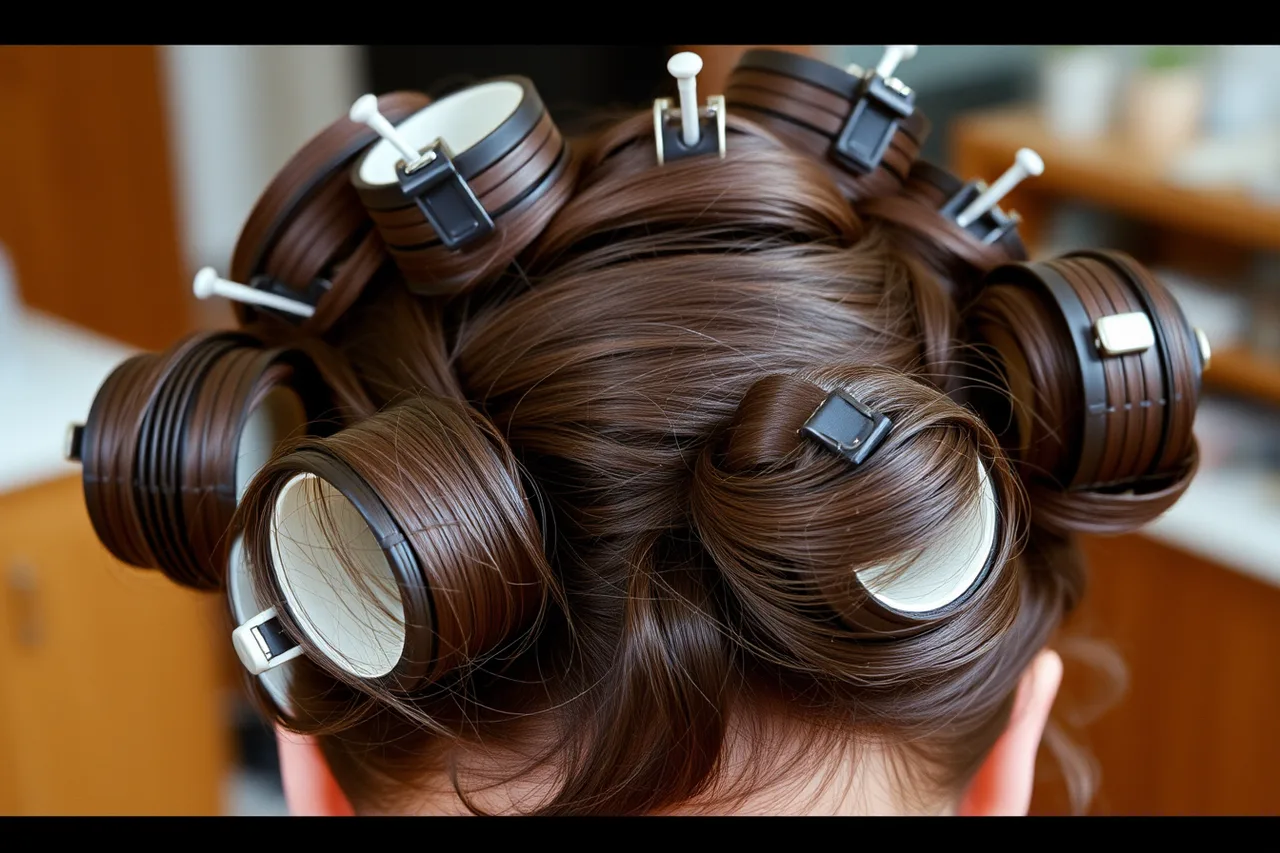
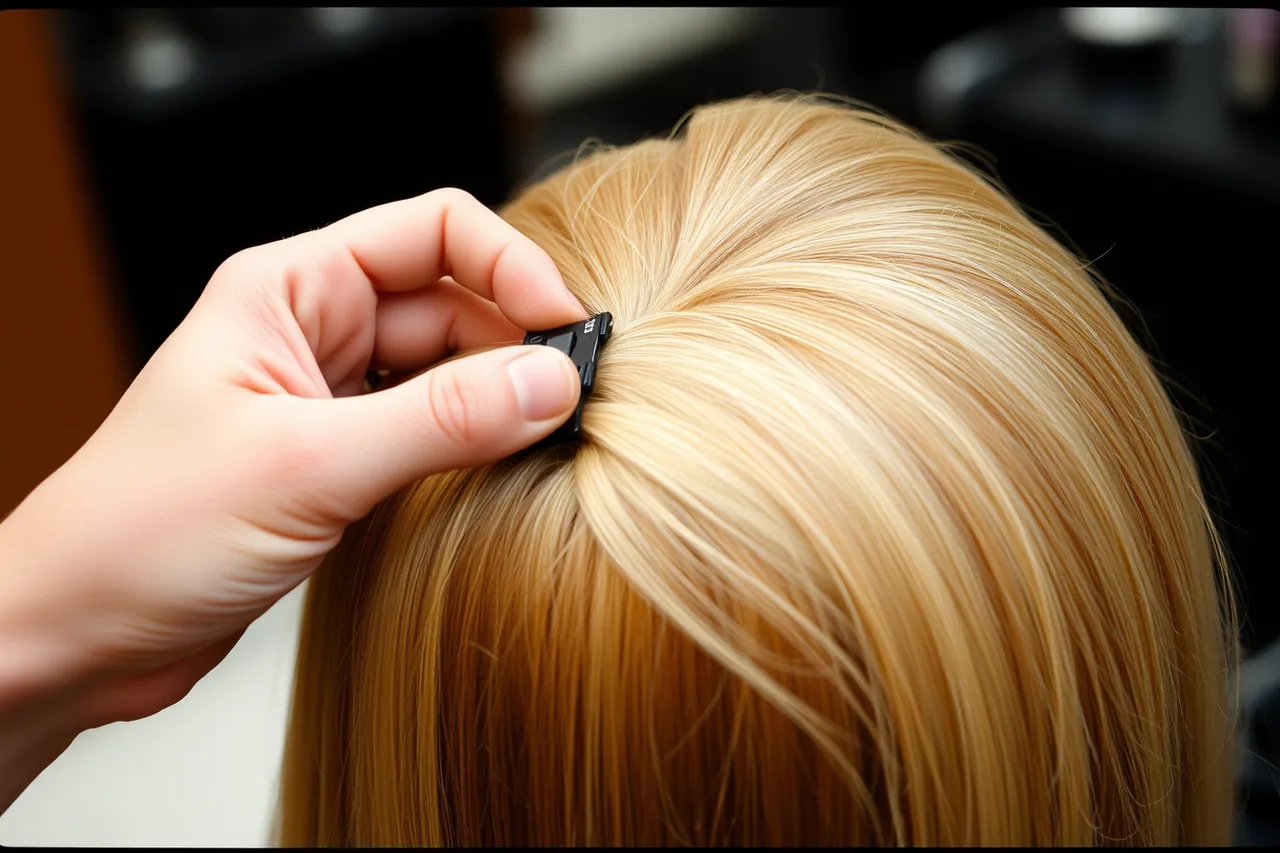
- Extensions. Length, density and weight, added and removed in an afternoon.
- A wig or a topper. Standard professional kit, invisible when fitted well.
- A cut done that morning. Hair has an edge for about a week, then it does not.
- A blow-dry with two people on it. Root volume is mechanical, not a hair type.
- Setting. Rollers, tongs, pins and a long cooling period.
- Product weight. The same hair built up for volume or pulled down for shine.
- Backcombing. Structure underneath, hidden by a smooth surface layer.
- Pins and grips. Many effortless shapes are held by hardware.
- Color applied for the camera. Depth painted in to survive strong light.
- Gloss or shine spray applied minutes before. Shine goes first and tops up easiest.
- Humidity. Indoors, outdoors, air conditioning, an hour in a car.
- The lens. A longer lens from further away compresses and narrows; a shorter lens close in widens. The effect is documented as perspective distortion.
- Light direction. Backlight makes fine hair glow and look thicker at the edges.
- Light hardness. Hard light separates strands; soft light merges them. The standard key, fill and rim arrangement, described as three-point lighting, controls exactly this.
- The color grade. Warmth and contrast pushed after the fact.
- Retouching. Flyaways removed, gaps filled, the outline tidied.
- Automatic smoothing at capture. Phone cameras clean up edges before an editor opens.
- Motion. A frame chosen from a burst, at the instant the hair was right.
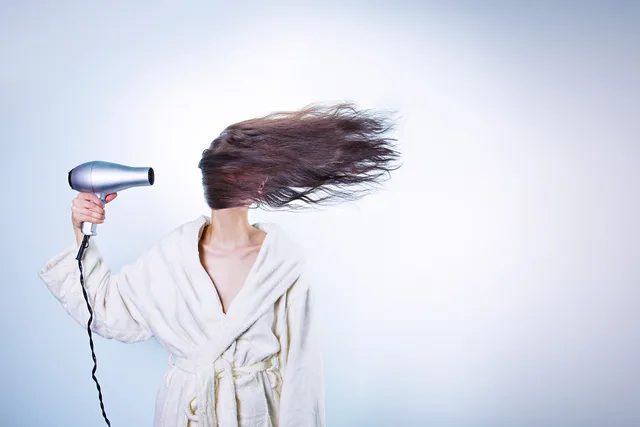
- Wind, from a machine or otherwise. Movement is often manufactured.
- Frequency. Professional maintenance at a cadence almost nobody outside the job sustains.
What this is good for
This is for making sense of the gap between a picture and your bathroom mirror. It is not for guessing what anyone has had done.
If a photo makes your hair look thinner or duller, you are comparing a maintained, lit, styled, selected and edited frame with a live person in domestic light. That comparison has its result before it starts.
The same point about faces instead of hair is in celebrity makeup. The format packaging it as evidence is taken apart in before and after timelines.
Taking a reference photo to a salon
- Bring three or four images, not one. A single image hides which part you like.
- Say what you likethe length, the weight, the color, the movement. A stylist can work with that.
- Ask whether your hair can hold the shape, and what it takes each morning.
- Ask what it costs to maintain, not what it costs today. Color is a subscription.
- Ask whether the look depends on added length or density. Better to know at the start.
- Bring an image of hair with a texture like yours. Matching texture matters more than matching the celebrity.
Common questions
Why not just list the looks and who wore them?
That turns into commentary on real people's bodies, and the interesting information is not who. It is what the picture is made of. The examples above work on any photograph you meet.
Is any of this about hair loss?
No. This page is about photographs. If you are worried about your hair or scalp, that is a question for a doctor or a pharmacist. On the paperwork side of any treatment decision, see hair transplants.
Which item on the list explains the most?
Usually the last one. Frequency of professional maintenance, paid for by the work, is a standing condition rather than an event. It is the hardest of the twenty to see in a single frame.
Can I get the same result with the same products?
You can get the same products. The finishing, the setting time, the second pair of hands and the light are not products. Between them they do more than anything you can buy. The wider version of that point is in celebrity hair.